

Yo, what's up everyone! As a supplier of ABS Hose Impulse Testing Machines, I've seen firsthand how the ambient temperature can have a real impact on the performance of these machines. In this blog, I'm gonna break down the influence of ambient temperature on the ABS Hose Impulse Testing Machine and why it matters for you.
How Ambient Temperature Affects the ABS Hose Impulse Testing Machine
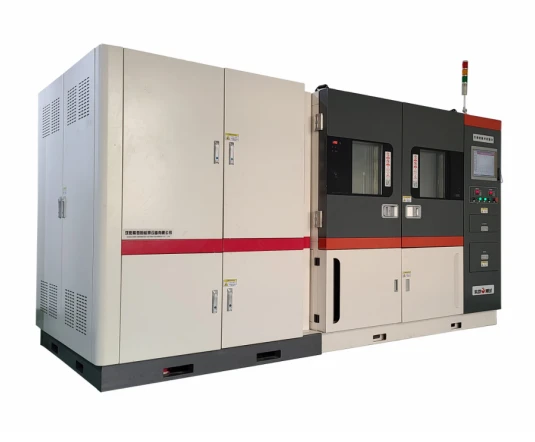
Let's start with the basics. The ABS Hose Impulse Testing Machine is designed to simulate the real - world conditions that ABS hoses might face. It applies repeated pressure impulses to the hoses to test their durability and performance. But the ambient temperature can mess with this whole process in a few ways.
Material Properties
First off, the temperature can change the material properties of the ABS hoses being tested. ABS is a thermoplastic polymer, and like most plastics, its mechanical properties are highly temperature - dependent. At lower temperatures, ABS becomes more brittle. This means that during the impulse testing, the hoses are more likely to crack or break under pressure. On the other hand, at higher temperatures, ABS becomes more flexible. While this might seem like a good thing, it can actually lead to inaccurate test results. The hose might be able to withstand more impulses at high temperatures, but in real - world use at normal temperatures, it might not perform as well.
Fluid Viscosity
The fluid used in the impulse testing machine also gets affected by the ambient temperature. Most of the time, we use hydraulic fluids in these machines. The viscosity of hydraulic fluid changes with temperature. When it's cold, the fluid becomes more viscous, which means it's thicker and flows less easily. This can cause problems in the testing machine because the pressure distribution might not be uniform. The machine might have to work harder to pump the thick fluid, leading to increased wear and tear on the components.
Conversely, when the temperature is high, the fluid becomes less viscous. This can result in leaks in the system because the seals in the machine are designed to work with a certain viscosity of fluid. If the fluid is too thin, it can seep through the seals, reducing the accuracy of the test and potentially causing damage to the machine.
Machine Components
The ambient temperature can also take a toll on the components of the ABS Hose Impulse Testing Machine itself. For example, the rubber seals in the machine are sensitive to temperature. At low temperatures, rubber becomes hard and loses its elasticity. This can lead to leaks and improper sealing, which can affect the pressure control in the machine. At high temperatures, rubber can degrade more quickly, shortening its lifespan.
The electrical components in the machine are also affected. High temperatures can cause electrical resistance to increase, which can lead to overheating and potential malfunctions. On the other hand, cold temperatures can make the electrical connections more brittle, increasing the risk of breakage.
Impact on Test Results
The changes in material properties, fluid viscosity, and machine components due to ambient temperature can have a significant impact on the test results. If the test is conducted at a temperature that is too high or too low, the results might not accurately represent how the ABS hoses will perform in real - world conditions.
For instance, if a hose passes the impulse test at a high temperature but fails in normal use, it can lead to product recalls and customer dissatisfaction. On the other hand, if a hose fails the test at a low temperature but would actually work fine in normal conditions, it can result in unnecessary rejections and increased production costs.
Controlling the Ambient Temperature
To get accurate and reliable test results, it's crucial to control the ambient temperature during the testing process. One way to do this is by using a temperature - controlled testing environment. This can be a specialized testing room with heating and cooling systems to maintain a constant temperature.
Another option is to use machines that are designed to be more temperature - resistant. For example, some of our High Temperature Static Pressure Test Stand models are built with components that can withstand a wider range of temperatures. These machines are equipped with advanced seals and cooling systems to ensure that the temperature - related issues are minimized.
Real - World Applications
In the automotive industry, ABS hoses play a critical role in the anti - lock braking system. The performance of these hoses can directly affect the safety of the vehicle. That's why accurate impulse testing is so important. If the testing is done without considering the ambient temperature, it can lead to hoses being installed in vehicles that might not perform well under normal conditions.
In the aerospace industry, the requirements for ABS hoses are even more stringent. The temperature variations in the aerospace environment can be extreme, from the cold of high altitudes to the heat generated during takeoff and landing. Therefore, the impulse testing of ABS hoses for aerospace applications must be done under carefully controlled temperature conditions to ensure the reliability of the hoses.

Other Related Testing Machines
We also offer other testing machines that are related to the ABS Hose Impulse Testing Machine. For example, the Hose Ultraviolet Resistance Fatigue Test Stand is used to test the resistance of hoses to ultraviolet radiation. Ultraviolet radiation can also degrade the material of the hoses over time, so this test is important for hoses that are exposed to sunlight.
Another machine is the Hydraulic Pulse Fatigue Test Stand. This machine is similar to the ABS Hose Impulse Testing Machine but can be used for a wider range of hydraulic hoses. It can also be affected by the ambient temperature in similar ways, so temperature control is also crucial for accurate testing.
Conclusion
In conclusion, the ambient temperature has a huge influence on the performance of an ABS Hose Impulse Testing Machine. It affects the material properties of the hoses, the viscosity of the testing fluid, and the components of the machine itself. To get accurate and reliable test results, it's essential to control the ambient temperature during the testing process.
If you're in the market for an ABS Hose Impulse Testing Machine or any of our other testing equipment, don't hesitate to reach out. We can provide you with the best solutions for your testing needs. Whether you're in the automotive, aerospace, or any other industry that requires high - quality hose testing, we've got you covered.
References
- "Plastics Engineering Handbook", 5th Edition, McGraw - Hill
- "Hydraulic Fluid Technology", 2nd Edition, Elsevier
- "Automotive Braking Systems", 3rd Edition, SAE International