

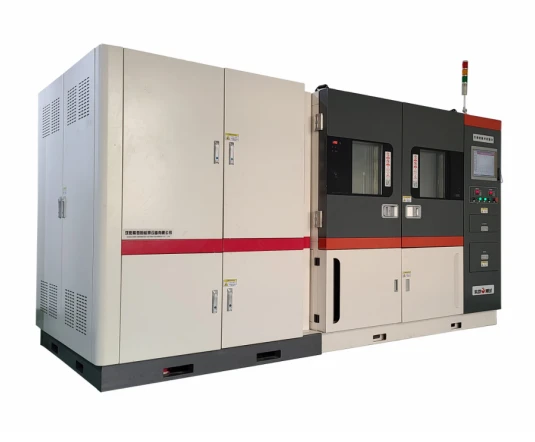
When it comes to ensuring the reliability and safety of oil hoses, an Oil Hose Impulse Test Stand plays a crucial role. As a professional supplier of Oil Hose Impulse Test Stands, we understand the significance of proper safety precautions during the testing process. In this blog post, we will discuss in detail the safety measures that need to be taken when using our Oil Hose Impulse Test Stand.
Pre - test Preparations
Before starting any test on the Oil Hose Impulse Test Stand, the operator must carry out a series of comprehensive pre - test preparations. First and foremost, carefully read the instruction manual provided by us. This manual contains detailed information about the structure, working principle, operation method, and safety requirements of the test stand. It is the fundamental guideline for safe and correct operation.
Inspect the physical condition of the test stand. Check if all the components are in good condition, without any visible cracks, deformations, or loose connections. For example, ensure that the hydraulic pipes are firmly connected and there are no signs of leakage. Also, check the electrical system of the test stand. Make sure the power cords are intact, the grounding is reliable, and all electrical switches are functioning properly. Faulty electrical systems can pose a serious threat of electric shock or even fire, so this inspection cannot be overlooked.
Prepare the test specimens properly. The oil hoses to be tested should be of the correct size and type, and they should be installed according to the specified procedures. Incorrect installation may lead to inaccurate test results and increase the risk of accidents during the test.
Personal Protective Equipment (PPE)
Proper use of personal protective equipment is essential for the safety of operators. When working with the Oil Hose Impulse Test Stand, operators should wear safety glasses. These glasses can protect the eyes from potential splashes of hydraulic oil or flying debris in case of a hose rupture during the test.
Hearing protection is also necessary. The test stand may generate a certain amount of noise during operation, especially when the hydraulic system is pressurized. Prolonged exposure to high - decibel noise can cause hearing damage, so earplugs or earmuffs should be worn.
Wear appropriate work clothing. Loose - fitting clothes or jewelry can get caught in the moving parts of the test stand, leading to accidents. Tight - fitting work clothes and closed - toe shoes should be worn to protect the body from potential mechanical injuries.
Operating the Test Stand
During the operation of the Oil Hose Impulse Test Stand, strict adherence to the operating procedures is of utmost importance. Start the test stand in a proper sequence. First, turn on the power supply and ensure that all the control panels and indicators are working normally. Then, gradually increase the pressure according to the test requirements. Do not suddenly increase the pressure to a high level, as this can cause excessive stress on the test specimens and the test stand itself, increasing the risk of failure.
Monitor the test process closely. Keep an eye on the pressure gauges, temperature sensors, and other monitoring devices. Any abnormal readings, such as sudden pressure drops or temperature spikes, should be immediately investigated. If an abnormality is detected, stop the test immediately and take appropriate measures to troubleshoot the problem.
Do not leave the test stand unattended during the test. In case of an emergency, immediate action needs to be taken to prevent further damage or injury. If the operator needs to leave for a short period, the test should be paused and the power should be turned off.

Maintenance and Inspection
Regular maintenance and inspection of the Oil Hose Impulse Test Stand are crucial for its long - term safe operation. Establish a maintenance schedule and follow it strictly. This includes cleaning the test stand regularly to remove dirt, dust, and oil stains. Dirt and debris can accumulate on the components and affect their performance.
Check the hydraulic fluid regularly. The hydraulic fluid is the lifeblood of the test stand, and its quality and quantity are directly related to the normal operation of the hydraulic system. Check the fluid level in the reservoir and make sure it is within the specified range. Also, check the quality of the hydraulic fluid, such as its viscosity and contamination level. If the fluid is contaminated or has degraded, it should be replaced in a timely manner.
Inspect the seals and gaskets of the test stand. These are prone to wear and tear over time. Leaking seals can cause a loss of hydraulic pressure and pose a risk of oil leakage, which not only affects the test results but also creates a safety hazard. Replace any worn - out seals or gaskets promptly.
Emergency Response
In case of an emergency during the use of the Oil Hose Impulse Test Stand, such as a hose rupture or a fire, operators should know how to respond quickly and effectively. The test stand should be equipped with emergency stop buttons. In case of an emergency, press the emergency stop button immediately to cut off the power supply and stop the test operation.
If there is an oil leak, take measures to contain the spill immediately. Use absorbent materials to soak up the leaked oil and prevent it from spreading. Also, ensure good ventilation in the test area to prevent the accumulation of flammable vapors.
In the event of a fire, use the appropriate fire - fighting equipment, such as fire extinguishers. Different types of fires require different types of extinguishers. Familiarize yourself with the types of fire extinguishers available in the test area and their proper use. After the emergency is resolved, conduct a thorough inspection of the test stand to determine the cause of the problem and make necessary repairs before resuming the test.
Related Equipment and Their Precautions
In addition to the Oil Hose Impulse Test Stand, we also offer other related test equipment, such as the Hydrostatic Test Bench, Cooling System Testing Machine, and Hydraulic Pulse Fatigue Test Stand.
The Hydrostatic Test Bench is used for hydrostatic pressure testing of hoses. When using this equipment, similar safety precautions should be taken as with the Oil Hose Impulse Test Stand. Ensure proper installation of the test specimens, regular inspection of the pressure - generating system, and correct use of PPE.
The Cooling System Testing Machine is designed to test the performance of cooling systems. When operating this machine, pay attention to the proper connection of the pipes and the correct setting of the test parameters. Also, prevent contact with hot components during the test to avoid burns.
The Hydraulic Pulse Fatigue Test Stand is used for fatigue testing of hoses under pulsating pressure. Similar to the Oil Hose Impulse Test Stand, ensure the stability of the test stand, monitor the test process carefully, and take appropriate safety measures in case of emergencies.
Contact Us for Procurement
We understand that ensuring the safety of your testing operations is of the utmost importance. Our Oil Hose Impulse Test Stand and related equipment are designed with the highest safety standards in mind. If you are in the market for high - quality testing equipment, we invite you to contact us for procurement discussions. We have a team of experienced professionals who can provide you with detailed product information and technical support.
References
- Industry standards and guidelines for hydraulic test equipment
- Manufacturer's manuals for the Oil Hose Impulse Test Stand and related equipment