

In the realm of industrial manufacturing and quality control, the question of whether a Burst Test Stand can be used for testing industrial valves is both relevant and significant. As a supplier of Burst Test Stands, I've encountered numerous inquiries regarding the compatibility and effectiveness of our equipment for valve testing. In this blog post, I'll delve into the technical aspects, benefits, limitations, and practical considerations of using a Burst Test Stand for industrial valve testing.
Technical Aspects of Burst Test Stands and Industrial Valves
A Burst Test Stand is a specialized piece of equipment designed to subject various components to high-pressure conditions until they reach their bursting point. The primary objective is to determine the maximum pressure a component can withstand before failure. This type of testing is crucial for ensuring the safety and reliability of products, especially those used in high-pressure environments.
Industrial valves, on the other hand, are mechanical devices used to control the flow of fluids (liquids, gases, or slurries) in a piping system. They come in a wide range of types, including gate valves, globe valves, ball valves, and butterfly valves, each with its own unique design and function. The performance and integrity of these valves are critical for the proper operation of industrial processes, and they must be able to withstand the pressure and flow conditions of the system in which they are installed.

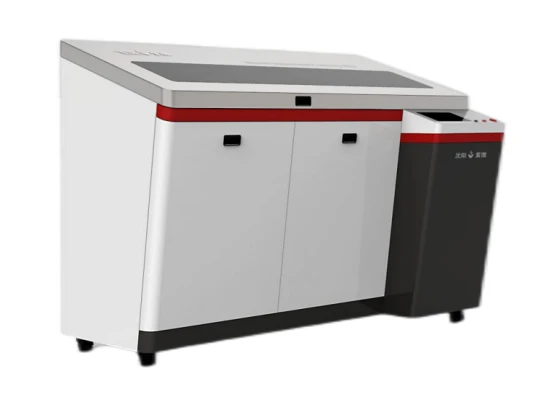
From a technical perspective, a Burst Test Stand can be used to test industrial valves in several ways. First, it can be used to determine the burst pressure of the valve body, which is the maximum pressure the valve can withstand before it ruptures. This is an important safety parameter, as a valve that fails under pressure can cause significant damage to the piping system and pose a risk to personnel. Second, a Burst Test Stand can be used to test the sealing performance of the valve under high-pressure conditions. This involves applying pressure to the valve and measuring the amount of leakage that occurs. A valve with poor sealing performance can lead to energy losses, contamination of the fluid being transported, and potential safety hazards.
Benefits of Using a Burst Test Stand for Industrial Valve Testing
There are several benefits to using a Burst Test Stand for industrial valve testing. One of the main advantages is the ability to accurately measure the burst pressure and sealing performance of the valve. This provides valuable information about the quality and reliability of the valve, which can be used to make informed decisions about its use in a particular application. For example, if a valve fails to meet the required burst pressure or sealing performance standards, it can be rejected or reworked before it is installed in the system, thereby reducing the risk of costly downtime and repairs.
Another benefit of using a Burst Test Stand is the ability to simulate real-world operating conditions. By applying pressure to the valve in a controlled environment, it is possible to replicate the pressure and flow conditions that the valve will experience in service. This allows for a more accurate assessment of the valve's performance and durability, and can help to identify potential issues before they occur in the field.
In addition, using a Burst Test Stand can improve the efficiency and productivity of the valve testing process. Traditional methods of valve testing, such as hydrostatic testing, can be time-consuming and labor-intensive. A Burst Test Stand, on the other hand, can perform multiple tests quickly and accurately, reducing the time and cost associated with valve testing.
Limitations of Using a Burst Test Stand for Industrial Valve Testing
While a Burst Test Stand can be a valuable tool for industrial valve testing, there are also some limitations to its use. One of the main limitations is the fact that it only tests the valve under static conditions. In real-world applications, valves are often subjected to dynamic loads, such as pressure surges and vibrations, which can affect their performance and integrity. Therefore, the results of a burst test may not accurately reflect the valve's performance under actual operating conditions.
Another limitation is the fact that a Burst Test Stand can only test the valve at a single point in time. It does not provide information about the long-term performance and durability of the valve, which is important for applications where the valve will be in service for an extended period of time. To address this issue, additional testing methods, such as fatigue testing and accelerated life testing, may be required.
Finally, it is important to note that a Burst Test Stand is a specialized piece of equipment that requires trained operators and proper maintenance. If not used correctly, it can pose a safety risk to personnel and cause damage to the equipment. Therefore, it is essential to ensure that the operators are properly trained and that the equipment is regularly maintained and calibrated.
Practical Considerations for Using a Burst Test Stand for Industrial Valve Testing
When using a Burst Test Stand for industrial valve testing, there are several practical considerations that need to be taken into account. First, it is important to select the appropriate test stand for the type and size of the valve being tested. Different test stands have different pressure and flow capabilities, and it is essential to choose a stand that can meet the requirements of the valve being tested.
Second, it is important to prepare the valve for testing. This may involve cleaning the valve, inspecting it for damage or defects, and ensuring that it is properly installed in the test stand. It is also important to use the correct test fluid and pressure settings, as these can affect the results of the test.
Third, it is important to follow the appropriate safety procedures when using a Burst Test Stand. This includes wearing appropriate personal protective equipment, such as safety glasses and gloves, and ensuring that the test stand is properly secured and grounded. It is also important to have a clear understanding of the test procedure and to follow it carefully to avoid any potential safety hazards.
Finally, it is important to document the results of the test. This includes recording the burst pressure, sealing performance, and any other relevant data. The documentation should be kept on file for future reference and can be used to demonstrate compliance with industry standards and regulations.
Other Related Testing Equipment
In addition to Burst Test Stands, there are other types of testing equipment that can be used for industrial valve testing. For example, the Brake Hose Low Pressure Pulse Test Bench can be used to test the performance of valves under low-pressure pulse conditions, which is important for applications such as brake systems. The Hydraulic Pulse Fatigue Test Stand can be used to test the fatigue life of valves under high-pressure pulse conditions, which is important for applications such as hydraulic systems. And the Brake Hose Air Tightness Testing Machine can be used to test the air tightness of valves, which is important for applications such as pneumatic systems.
Conclusion
In conclusion, a Burst Test Stand can be a valuable tool for testing industrial valves. It can provide accurate information about the burst pressure and sealing performance of the valve, which is essential for ensuring its safety and reliability. However, it is important to be aware of the limitations of using a Burst Test Stand and to consider other testing methods and equipment as needed. By following the appropriate procedures and using the right equipment, it is possible to conduct effective valve testing and ensure the quality and performance of industrial valves.
If you are interested in learning more about our Burst Test Stands or other testing equipment for industrial valves, please feel free to contact us. We would be happy to discuss your specific requirements and provide you with a customized solution.
References
- ASME Boiler and Pressure Vessel Code
- API Standard 6D - Pipeline Valves
- ISO 5208 - Industrial Valves - Pressure Testing of Valves